
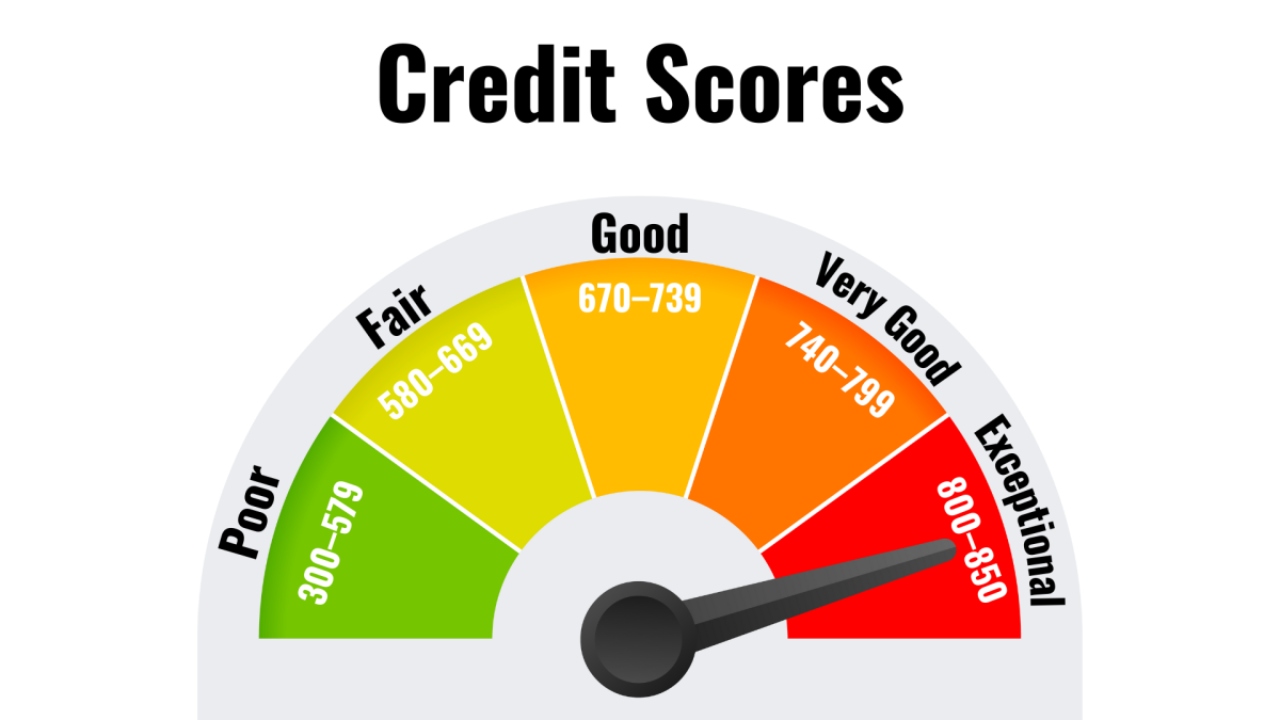
Credit scores play an important role in many financial decisions, from applying for a credit card to qualifying for a mortgage or vehicle loan. Despite their importance, many Canadians still believe outdated or inaccurate information about how credit scores work. Understanding the facts can help you make more informed decisions and avoid habits that may do more harm than good.
These are some of the most common credit score myths in Canada and what actually influences your credit health.
What Is a Credit Score and Why Does It Matter?
A credit score is a numerical representation of your creditworthiness based on information in your credit report. In Canada, lenders often use credit scores to assess risk when reviewing applications for credit products.
A strong credit score may improve your chances of approval and help you access more favourable borrowing terms. While different lenders may use different scoring models, the goal remains the same: evaluating how reliably you manage credit over time.
Myth #1: Checking Your Credit Score Lowers It
This is one of the most persistent credit score myths Canadian consumers believe. When you check your own credit score or review your credit report, it creates what is known as a soft inquiry. Soft inquiries do not affect your credit score. Reviewing your credit regularly is actually a good habit because it allows you to identify errors and watch for signs of fraud.
Only certain lender-initiated checks associated with credit applications may create a hard inquiry, which can have a temporary impact on your score.
Myth #2: Carrying a Balance Helps Build Credit
Many people mistakenly assume that leaving a balance on a credit card each month demonstrates responsible credit use. In reality, carrying a balance is entirely unnecessary to build credit. Paying your bill in full and on time each month establishes a positive payment history and demonstrates consistent repayment behaviour without forcing you to pay interest unnecessarily.
Myth #3: All Credit Scores Are Identical
There is no single credit score used by every lender. Equifax and TransUnion each offer multiple scoring models, and lenders may place varying levels of importance on specific factors. As a result, the score you see through a monitoring service may not exactly match the score reviewed during a lending decision.
Small differences are normal and do not necessarily indicate a problem.
Myth #4: Closing Old Accounts Always Improves Your Score
Closing unused accounts may seem like a smart move, but it can sometimes have unintended consequences.
Older accounts contribute to the length of your credit history. Closing them may reduce the average age of your accounts and could increase your credit utilization ratio if you lose available credit. Before closing an account, consider how it may affect your overall credit profile.
To help protect your credit health, focus on these habits:
- Pay bills on time whenever possible
- Keep credit utilization below the commonly recommended threshold of 30%
- Review credit reports periodically
- Limit unnecessary credit applications
Stop Letting Credit Score Myths in Canada Undermine Your Financial Health
When debt becomes difficult to manage, concerns about your credit score can quickly overshadow the bigger financial picture. If minimum payments are no longer affordable, speaking with a Licensed Insolvency Trustee can help you understand your legal debt relief options and take meaningful steps toward long-term financial recovery. Contact an experienced professional to begin the journey.
About the Author