
More shoppers ask for vegan shoes. Not just the surface. Every layer. Upper. Lining. Thread. Foam. Glue. All free from animal inputs. That is possible today if you plan it right. This guide shows how to build an animal free upper and midsole stack that still sews clean, bonds strong, and lasts on the foot.
Start with a clean bill of materials
Make a short list for every layer.
- Uppers. Microfiber, recycled polyester textiles, plant based coated fabrics, cold flexible TPU films.
- Linings. Smooth knit polyester.
- Reinforcements. Nonwoven polyester.
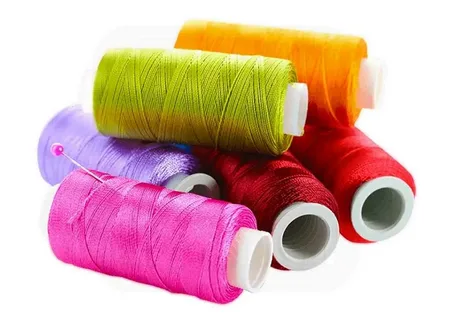
- Sewing machine thread. Corespun polyester or high tenacity polyester or bonded nylon thread. No silk. No cotton blends with unknown finishes.
- Foams. EVA, PE, or bio based foams where fit and compression set allow.
- Adhesives. Water-based or solvent-based systems that have no casein, no shellac, no animal proteins.
Ask each supplier for a vegan statement. Keep it with the lot codes in your PLM so the claim can be checked later.
Threads that are truly animal free
Threads are simple to get right.
- Corespun polyester is the default for most seams. It is stable, strong for size, and easy to dye.
- High tenacity polyester helps in stress points so you can use a smaller needle and make smaller holes.
- Textured polyester in loopers gives a soft feel inside.
- Use the finest passing ticket that still meets seam strength. Smaller thread and smaller needles mean fewer hole marks on vegan films.
Set stitch length 3.0 to 3.5 mm on construction. 3.5 to 4.0 mm on visible top lines. Two slim rows 2 to 3 mm apart beat one dense row in stress paths. Corners should use a 6 to 8 mm radius.
Adhesive systems without animal inputs
You can build strong bonds with vegan chemistries.
- Water based polyurethane or acrylic cements for many upper to foam and textile to textile joins.
- Reactive hot melts for certain lasting jobs and counter attachments.
- Solvent borne polyurethane without casein primers for sidewall to outsole when a water system cannot meet the spec.
Key points. Scuff clean. Allow correct open time. Press with the right dwell. Then cool clamp 2 to 3 seconds to set memory. Keep lanes to 3 to 4 mm so glue does not flood stitch holes. Avoid any primer that uses animal protein. If a process note mentions milk protein or shellac, switch.
Upper panels and reinforcement roads
Vegan does not mean weak. You can make structure with tapes and smart seams.
- Use same family underlay tapes 3 to 4 mm wide inside allowances to build load paths from toe guard to arch and to heel.
- Place structural seams 5 to 8 mm behind the met heads so the shoe flexes clean.
- Press shallow stitch channels so thread sits a little lower. The surface rubs first. The seam stays neat.
- Keep tall stacks out of the toe spring. Many vegan films are firm. Thin and grade layers where the foot bends.
Midsoles and footbeds
Pick materials that hold shape and feel good.
- EVA or PE foams for midsoles. If you use bio based content, run compression set checks at room and warm conditions.
- TPU plates or fiber plates for rock and torsion control.
- Footbeds in polyester felt, open cell PU without animal ingredients, or plant based foams where sweat and wash tests pass.
If you add antimicrobial function, confirm the agent does not use animal origin binders. Ask for a vegan confirmation.
Anti wick and hygiene choices
Vegan shoes still face rain and sweat.
- Use anti wick polyester threads in splash seams and sidewall joins.
- Seal critical seams with a thin internal tape of the same polymer family.
- Raise sidewall stitches 2.5 to 3.0 mm above the feather line so holes do not sit in splash zones.
Testing that proves the stack
- Bond strength
Peel and shear tests on upper to foam, upper to film, and sidewall to outsole. Run before and after 24 hours water soak. Targets equal to your non vegan control. If peel drops, adjust open time or press dwell. Try an alternate water based cement line if needed. - Flex and crack
50k flex cycles at the forefoot on full uppers. Look for whitening at corners and along stitch rows. If seen, lengthen stitch or increase radius. - Heat and UV
Many vegan films are sensitive to heat and light. Bake at moderate heat, then UV exposure. Check for bond lift and shade shift on threads. Move to solution dyed polyester thread if tops fade. - Sweat simulation
Mist liners and flex 5k cycles. If odor rises fast, select a different lining finish that is plant based and proven in hygiene tests. - Label audit
Pull the lot codes and the vegan statements. Confirm that adhesives, threads, foams, and overlays match the codes in the build.
Troubleshooting quick table
| Problem | Likely cause | Fast fix |
| Bond lift at sidewall | Wrong open time or lane too wide | Respect flash, narrow to 3 to 4 mm, cool clamp 2 to 3 seconds |
| Corner cracks on film | Tight radius and short stitch | Radius 6 to 8 mm, lengthen to 3.2 to 3.8 mm |
| Thread shade shift in sun | Weak dye route | Use solution dyed polyester or raise light fastness spec |
| Water tracks into liner | No anti wick and low stitch height | Use anti wick thread and raise stitch, add thin internal tape |
| Foam bottoms out early | Wrong density or high bio content | Adjust density and recovery grade, retest compression set |
Tech pack lines you can copy
- Threads corespun polyester for construction, high tenacity polyester at anchors, textured polyester in loopers, anti wick in splash seams
- Adhesives water based or solvent based polyurethane with no animal inputs, lanes 3 to 4 mm, press per spec, cool clamp 2 to 3 seconds
- Stitch 301 construction 3.2 mm, top lines 3.8 mm, double rail 2.5 mm apart on stress paths, corners radius 7 mm
- Reinforcement same family tapes 3 to 4 mm from toe guard to arch and to heel
- Materials microfiber or coated textile upper, polyester or lyocell lining, EVA or PE midsole, plant based footbed option
- Evidence supplier vegan statements linked to lot codes in PLM
One week pilot plan
Day 1 lock the vegan bill of materials and collect statements.
Day 2 build uppers with two stitch lengths and two tape widths.
Day 3 run bond peels with two adhesive systems and two open times.
Day 4 flex 50k cycles and inspect stitch rows and corners.
Day 5 soak and retest bond.
Day 6 field wear for one shift, note hot spots and wicking.
Day 7 freeze the recipe that passes all tests and file the evidence pack.
Wrap
A fully vegan shoe is a design choice and a process choice. Pick animal free materials at every layer. Use polyester threads and clean adhesive systems with no casein or shellac. Place seams off the flex lane. Round corners. Set narrow bond lanes. Test peel, flex, heat, and sweat. Keep supplier statements tied to lots. Do this and your upper and midsole stack will be truly animal free, durable, and ready for the market.
About the Author