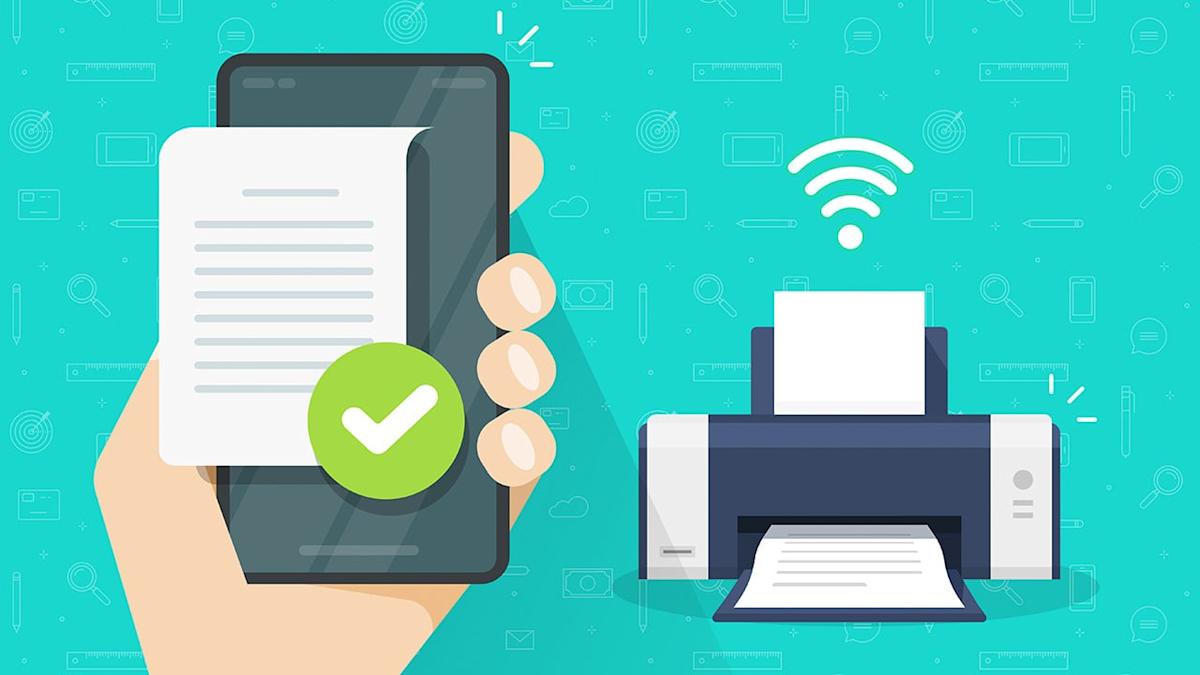
In the current climate of growing cyber threats, securing sensitive documents during transmission is more important than ever. Interfax Faxing Software addresses this concern by providing enhanced security features that protect against data breaches and unauthorized access. With a focus on secure document delivery, Interfax is an essential tool for businesses aiming to safeguard their confidential communications.
Employing state-of-the-art encryption and compliance with industry standards, Interfax Faxing Software ensures that every document sent is kept from prying eyes. In this article, the benefits of Interfax’s robust security protocols and features will be explored, underlining why it stands as a leading choice for secure document transmission.
Exploring Interfax Faxing Software for Enhanced Document Security
Interfax faxing software Interfax Faxing Software stands out for its commitment to robust document security, offering peace of mind for businesses transmitting sensitive information. With a multi-layered security approach, Interfax ensures that both the sender and receiver are authenticated, and that Documents remain confidential throughout transit.
By leveraging industry-standard encryption methods, such as SSL and TSL, Interfax guards against interception and tampering. This means that documents are encoded in such a way that only the intended recipient, with the correct decryption key, can access the contents of a fax.
Companies can start enhancing their document security by integrating Interfax Faxing software into their existing systems. Its compatibility with multiple platforms makes this a seamless process for IT departments, ensuring continuity and security without disrupting current workflows.
Secure Transmission Protocols in Interfax Faxing
Secure transmission protocols are at the core of Interfax Faxing’s commitment to document security. When a document is faxed using Interfax, the data transmission is protected by sophisticated encryption protocols, which serve as the first line of defense against data theft.
Interfax employs protocols like HTTPS, which is also used for secure online transactions, ensuring that every document travels through a secure channel from sender to receiver. These transmission protections are akin to the security measures used by online banking systems, providing a comparable level of security for faxed documents.
For those seeking to adopt Interfax Faxing, it’s advisable to undertake a thorough review of current security protocols to identify potential vulnerabilities. Integrating Interfax into the process can help to address these issues and strengthen the overall security framework of document transmission.
Compliance and Data Protection with Interfax Faxing Solutions
Another pillar of Interfax Faxing Software’s efficacy is its alignment with global compliance standards. These standards, such as HIPAA, GLBA, and GDPR, outline strict guidelines for the handling of personal and sensitive data. Interfax ensures that users meet these requirements, avoiding costly legal and financial repercussions.
Interfax’s compliance assistance extends to detailed logging and audit trails, which are crucial for demonstrating accountability and due diligence in the event of an audit. For example, in healthcare, maintaining HIPAA compliance is non-negotiable, and Interfax offers features that ensure confidentiality and integrity of patient information.
Organizations should regularly review their compliance with relevant regulations and adjust their procedures accordingly. Implementing Interfax Faxing Software can be a strategic move to maintain high compliance standards, ensuring that they fulfill legal obligations while protecting client data.
Advanced Features of Interfax Faxing for Secure Document Handling
Apart from its solid foundation in secure transmission and compliance, Interfax Faxing Software offers advanced features for further securing documents. These features include programmable security policies that allow companies to tailor security settings according to their specific needs.
One distinguishing feature is the option for two-factor authentication, which requires users to provide two forms of identification before accessing transmitted documents. This layer of security greatly reduces the risk of unauthorized access to sensitive documents. Furthermore, Interfax has mechanisms in place to flag any anomalous activities, thereby acting as an early warning system against potential security breaches.
The actionable step for companies keen to boost their document security is to delve into Interfax’s range of features and configure settings that align with their risk profile. With options for customized security policies and advanced user authentication, businesses can significantly enhance their secure document handling capabilities.
Ultimately, Interfax Faxing Software stands as an essential ally for businesses prioritizing the secure transmission of documents. Its sophisticated encryption, robust compliance features, and advanced security settings provide a comprehensive solution that protects sensitive information from unauthorized access and cyber threats. With Interfax, businesses can confidently transmit their most important documents, knowing that their contents are safeguarded every step of the way.
About the Author